The Impact of Foldable Containers on Storage Costs
July 7, 2026

Today, efficient use of warehouse space and controlling logistics costs have become more important than ever for businesses. Especially in industries such as manufacturing, automotive, retail, and logistics, choosing the right equipment directly affects operational efficiency, transportation capacity, and storage expenses.
At this point, foldable containers stand out as practical solutions that provide both space savings and operational convenience.
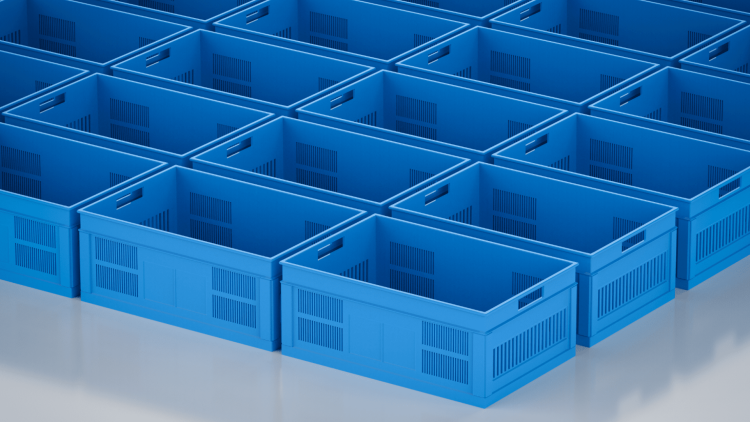
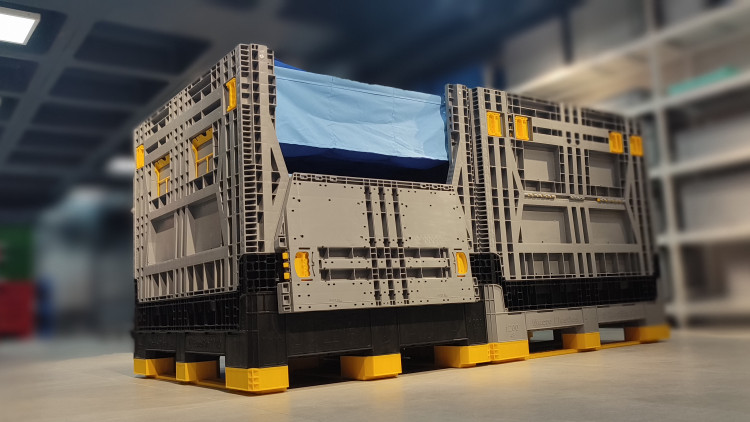
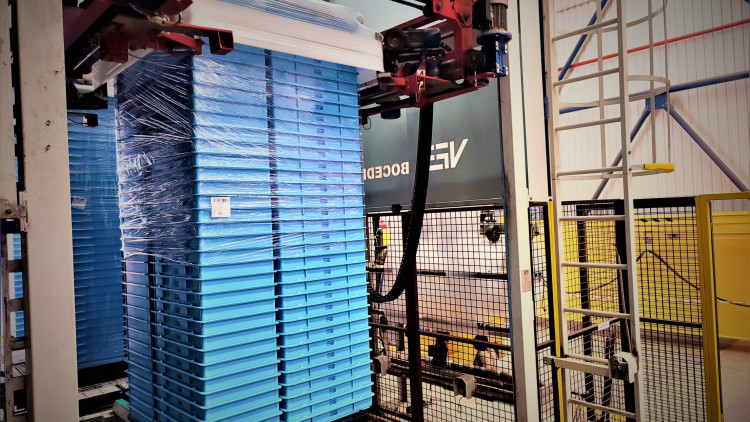
Thanks to their collapsible structure, these containers occupy significantly less space when not in use. This helps reduce unused storage areas while also providing major volume advantages in reverse logistics operations. Particularly in high-volume supply chains, the space savings achieved during the transportation of empty containers can contribute to optimizing transportation, storage, and operational costs.
Another important advantage of foldable containers is their ability to support organized stacking and safe transportation. Their compatibility with racking systems, forklifts, and pallet trucks helps warehouse operations run more efficiently and in a more controlled manner. This can improve workforce productivity while reducing the risk of product damage.
Developed by Benoplast, Benocon Foldable Containers provide practical solutions for storage and transportation processes with their durable design, ergonomic structure, and suitability for different industries. Their foldable design allows them to be stored in minimal space when not in use, helping businesses manage warehouse capacity more efficiently.
In addition, the use of reusable and recyclable plastic systems supports sustainable logistics goals and helps companies reduce their environmental impact.
For businesses aiming to maximize warehouse efficiency, optimize transportation processes, and reduce operational costs, foldable container systems can be considered a long-term and sustainable investment.
 Twitter