What Does Using the Wrong Box in the Cold Chain Really Cost?
August 11, 2026

Food safety starts with choosing the right packaging.
The cold chain is a continuous logistics system that ensures food products are maintained within specified temperature ranges from production to the end consumer. However, the success of this system depends on more than just refrigeration equipment. The boxes or containers used to transport and store products also play a critical role in food safety.
Choosing the wrong box can lead to reduced product quality, increased food safety risks, product losses, and higher operational costs. For this reason, packaging should not be viewed as a passive element of the cold chain, but as an integral part of ensuring safety and operational efficiency.
1. Food Safety Is About More Than Temperature Control
When we think of the cold chain, temperature control is usually the first thing that comes to mind. However, international food safety practices consider hygienic equipment, easy-to-clean surfaces, and the prevention of contamination risks to be essential alongside maintaining the appropriate temperature.
The FAO (Food and Agriculture Organization of the United Nations) Good Hygiene Practices (GHP) and Codex Alimentarius guidelines recommend that food-contact equipment and reusable transport containers be designed to be easy to clean, durable, and suitable for disinfection when necessary.
Therefore, the material and design of the boxes used can have a direct impact on product safety.
2. Choosing the Wrong Box Can Increase the Risk of Contamination
Damaged, cracked, or inadequately cleanable boxes can create risks related to bacterial growth and cross-contamination.
The European Union's approach to food safety also emphasizes that packaging is more than a means of transporting products. It is an important component of the overall system that protects food from external factors, supports hygiene, and enables traceability. Packaging materials intended for food contact are expected to be manufactured in compliance with safety standards and to be traceable.
For this reason, hygienic box design is particularly important when handling sensitive products such as fresh fruit and vegetables, meat, dairy products, and seafood.
3. Product Losses Cost More Than You Think
The cost of choosing the wrong packaging is not limited to products that are broken or crushed.
Insufficient air circulation, inadequate load-bearing strength, or insufficient product support can result in quality deterioration, reduced shelf life, and increased waste.
A technical guide published by the FAO on reusable plastic boxes also states that suitable plastic boxes can protect products against mechanical damage, reduce post-harvest losses, and help preserve product quality. At the same time, proper cleaning and management of these boxes are also essential components of the system.
4. The Weakest Link in the Cold Chain Can Affect the Entire System
European Union food hygiene regulations recognize maintaining an uninterrupted cold chain as one of the fundamental principles of food safety. For temperature-sensitive products in particular, maintaining appropriate conditions during storage and transportation is critical for controlling microbiological risks.
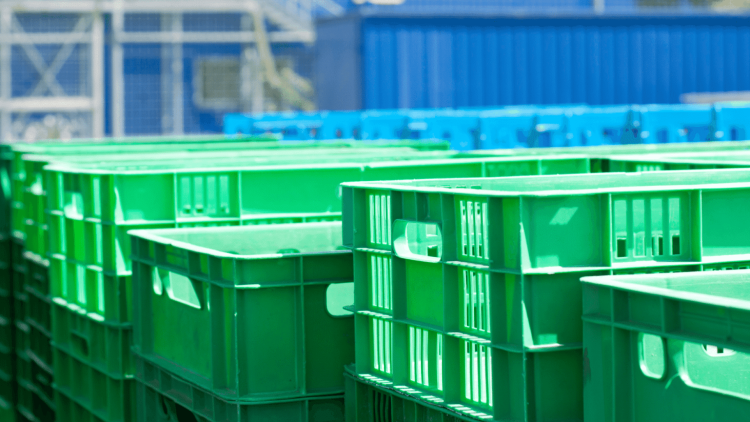
However, maintaining the right temperature alone is not enough. Box design should support adequate air circulation, prevent deformation during stacking, and provide reliable protection for products throughout the logistics process.
Why Is Choosing the Right Box Important?
Transport and storage packaging used in the food industry is expected to provide the following characteristics:
- Durable and long-lasting construction
- Easy-to-clean and hygienic surfaces
- A design suitable for repeated use
- Safe and secure stacking
- Performance suitable for cold chain operations
- Standard dimensions that support operational efficiency throughout logistics processes
These features not only support product safety but also help businesses reduce overall operational costs and manage their processes more efficiently.
Safe Transport and Storage with Benoplast
At Benoplast, our reusable transport and storage packaging solutions are designed with the needs of the food supply chain in mind.
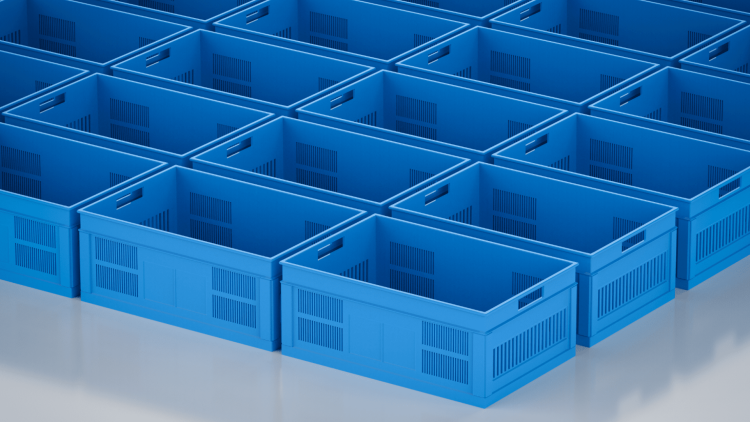
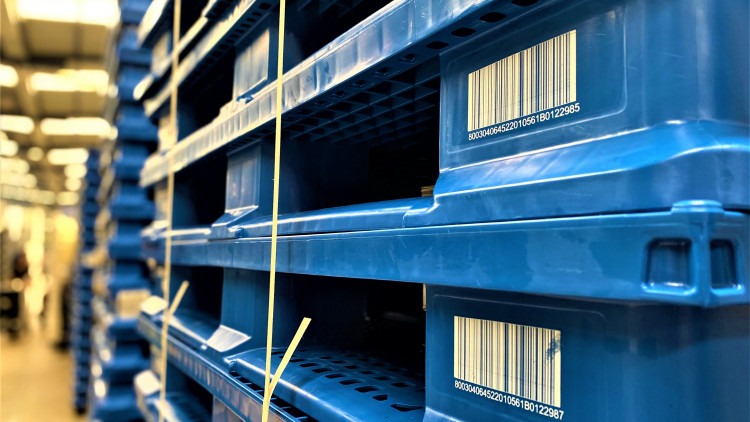
Our plastic boxes, containers*, and plastic pallets are trusted across various food industry applications thanks to their durable construction, reusable designs, and features that support operational efficiency.
The success of the cold chain depends not only on maintaining the right temperature but also on transporting and storing products in the right packaging solution. Because food safety requires the right decisions to be made at every link in the supply chain.
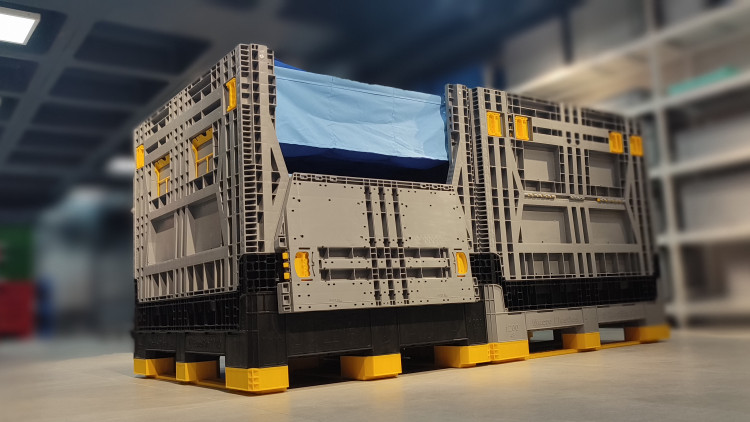
*Container Solutions for Cold Chain and Food Logistics
Discover our container solutions designed to meet different transportation, storage, and operational needs.
100120 NV H76 Closed, 100120 NV H76 Perforated, 100120 HV H77 Closed, 100120 HV H77 Perforated
 Twitter