Logistics Trends: What Is Changing in Warehousing and Transportation?
August 24, 2026

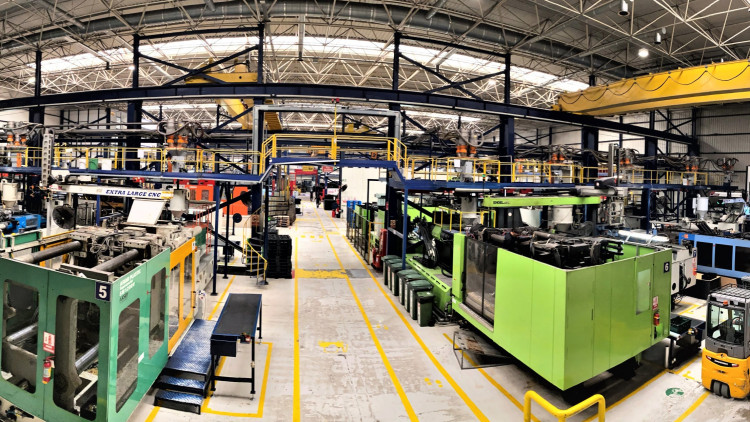
Global supply chains have been undergoing a significant transformation in recent years. The growth of e-commerce, accelerating investments in automation, sustainability goals, and evolving regulations are reshaping logistics operations. Businesses are no longer focused solely on transporting products; they are increasingly looking to optimize warehousing, order fulfillment, returns management, and resource efficiency as interconnected processes.
This transformation is also changing the role of transport and storage packaging. Packaging is no longer viewed simply as a means of protecting products; it has become a strategic component of logistics, helping improve operational efficiency, support automation, and contribute to sustainability goals.
1. Automation is becoming more widespread in warehouses
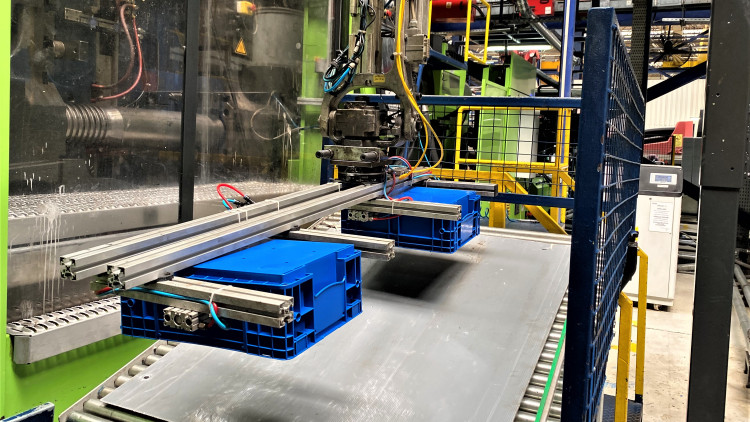
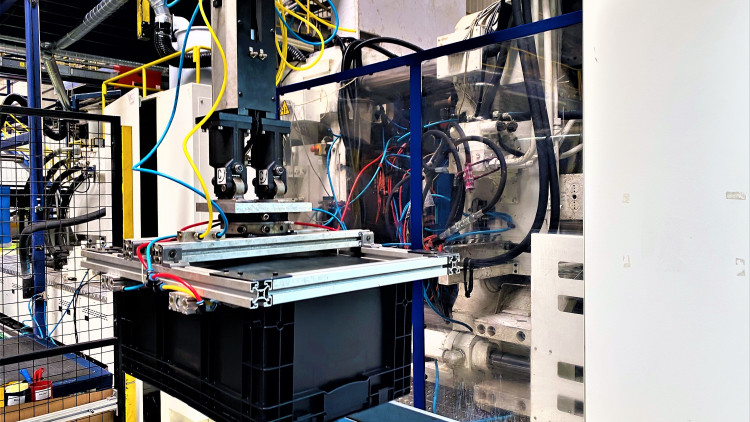
Investments in automation and digitalization are increasing across warehousing operations. Robotic systems, automated warehouses, and smart order fulfillment solutions enable processes to be managed faster and with greater accuracy. DHL's logistics trend reports* also highlight automation, artificial intelligence, and advanced data analytics among the key areas of investment shaping the logistics industry.
As this transformation continues, the packaging used in these operations must also meet the requirements of automated systems, with standardized dimensions, durability, and automation compatibility becoming increasingly important.
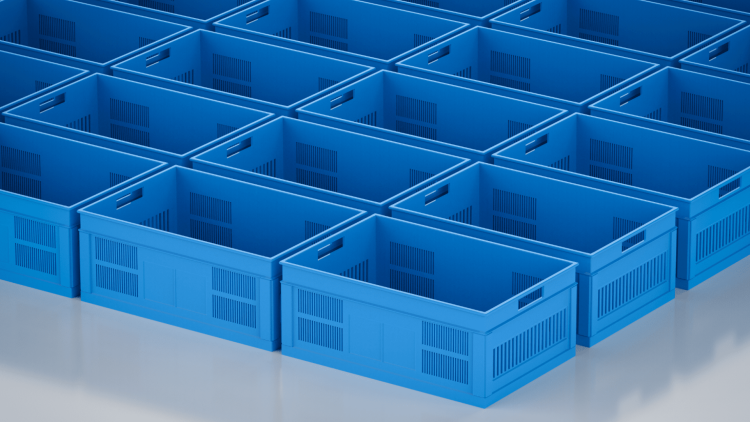
Benoplast's automation-compatible boxes, containers, and plastic pallets are designed to support more efficient handling and movement within warehouse operations.
2. Traceability and digital identification are becoming increasingly important
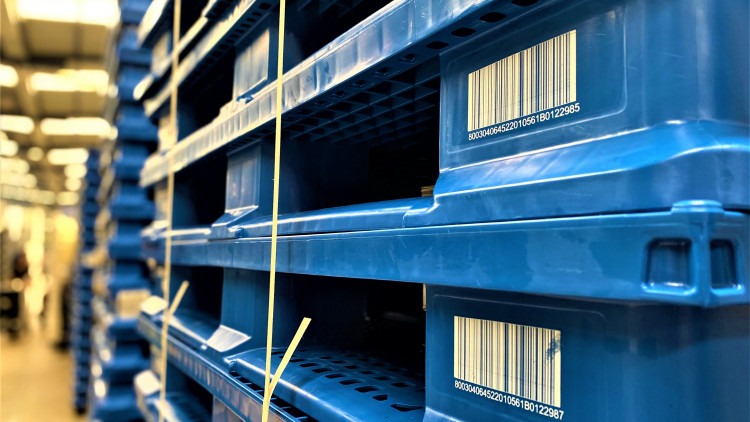
As logistics operations become more digitalized, the ability to easily identify and track products and transport packaging is becoming increasingly important. RFID tags and other identification and marking solutions can help identify boxes, containers, and pallets within operations, improve traceability, and support more efficient process management.
Depending on customer requirements, Benoplast products can be customized with RFID tags, sequential numbering, and various marking applications. This enables reusable transport and storage packaging to go beyond its role as a physical handling solution and become an integral part of operational tracking and management processes.
Benoplast's automation boxes, for example, can be customized with screen printing, standard or sequential numbering, hot stamping, and RFID tag applications to provide additional benefits for traceability and operational management.
3. Reusable packaging systems are gaining importance
In the logistics industry, sustainability is no longer viewed solely as an environmental goal but also as an operational necessity.
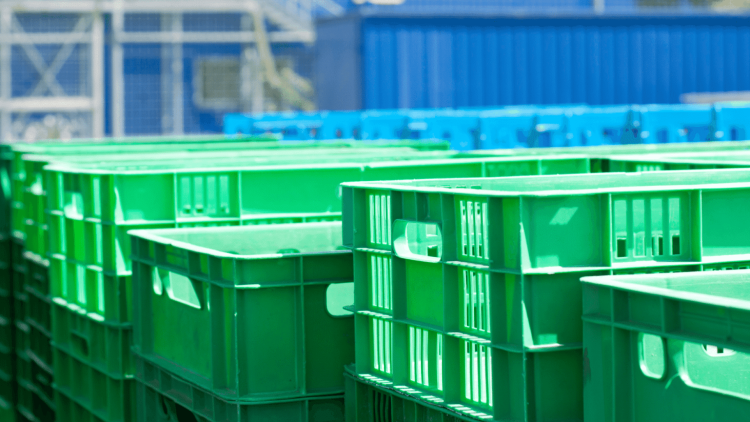
With the European Union's circular economy policies and the Packaging and Packaging Waste Regulation (PPWR), the importance of reusable packaging systems is increasing. The ability to reuse the same packaging multiple times can help reduce waste, use resources more efficiently, and lower operating costs over the long term.
Benoplast continues to develop reusable transport and storage packaging solutions that support this transformation.
4. Warehousing efficiency is becoming more critical
Rising warehousing costs and changing demand patterns are making more efficient use of storage space essential.
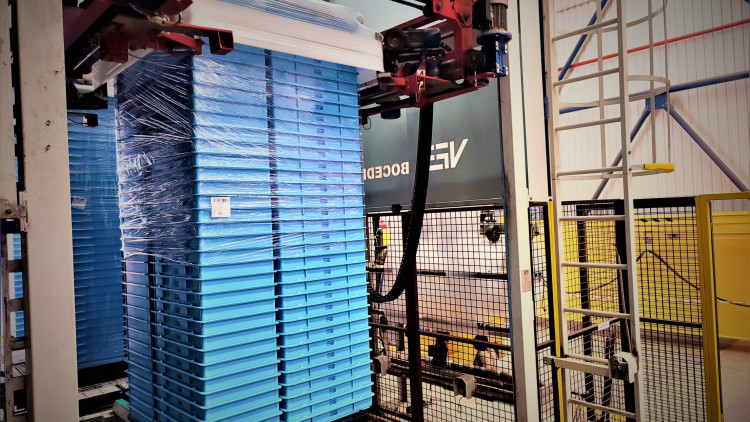
Stackable, nestable, and standardized packaging solutions help businesses use warehouse capacity more efficiently while also optimizing space during transportation.
This approach not only helps reduce logistics costs but also contributes to more organized and sustainable operations.
5. Durability is key to a longer product life
The ability to use packaging safely and reliably over an extended period is important for both operational continuity and total cost of ownership.
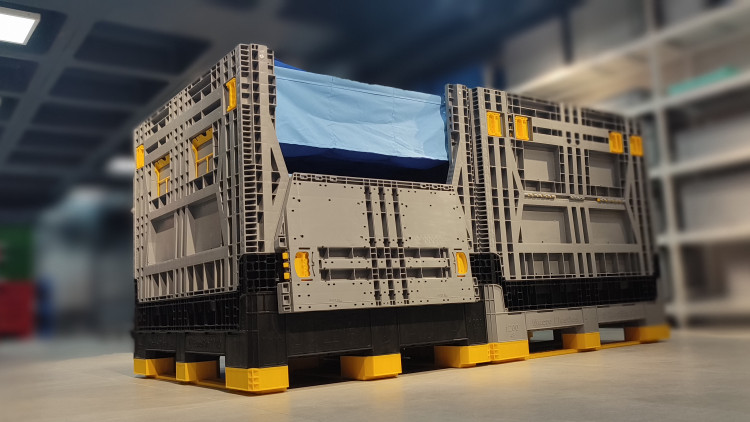
Highly durable plastic pallets, containers, and boxes offer businesses a long-term investment thanks to their construction, which is designed to withstand intensive use cycles.
This approach is one of the fundamental building blocks of logistics systems based on reuse.
The Future of Logistics Requires Integrated Solutions
The logistics industry is no longer focused solely on moving products from one point to another. Warehousing, automation, digital traceability, sustainability, and operational efficiency are increasingly viewed as interconnected elements of the same logistics ecosystem.
At Benoplast, we respond to evolving logistics needs with reusable and long-lasting transport and storage packaging solutions that are compatible with automation systems and support traceability through RFID and various marking options. Because in the supply chains of the future, success will depend not only on moving products, but on managing the entire process more efficiently, with greater traceability and sustainability.
*Source: DHL, Logistics Trend Radar 7.0, 2024
 Twitter