What Does “Durable” Packaging Really Mean?
September 30, 2026

When we describe packaging as “durable,” what comes to mind first?
Is it resistance to breakage? The ability to carry heavy loads?
In fact, durability goes far beyond these characteristics.
Especially for reusable transport and storage packaging, durability means maintaining performance and structural integrity when exposed to impacts, loads, temperature variations, washing processes, UV radiation and demanding operating conditions.
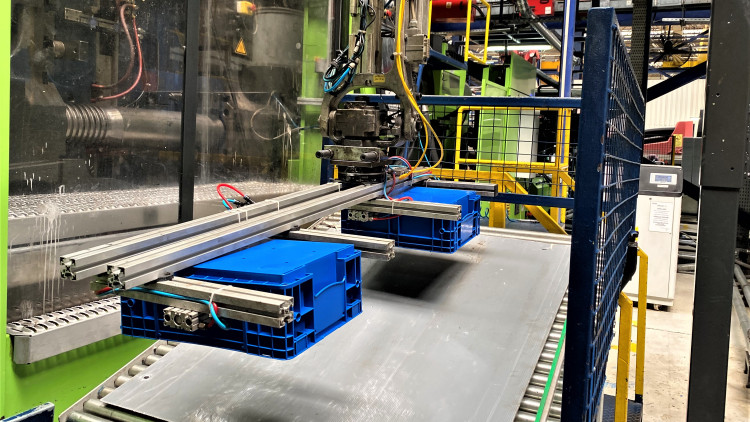
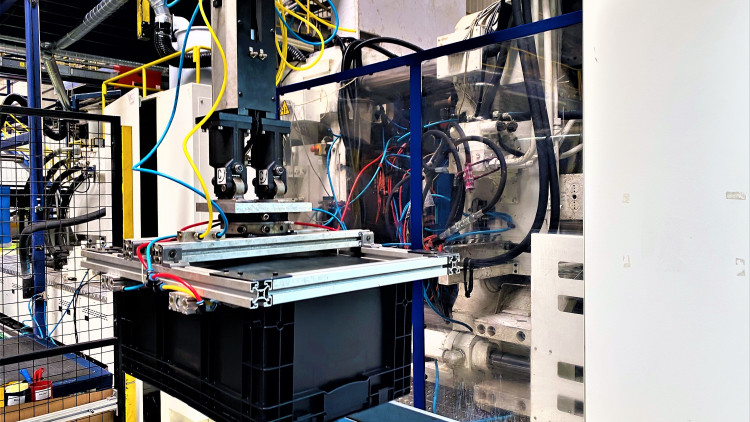
There is also another important consideration in modern logistics: compatibility with automation systems.
So, how can we determine whether packaging is truly durable?
Can It Withstand Impact?
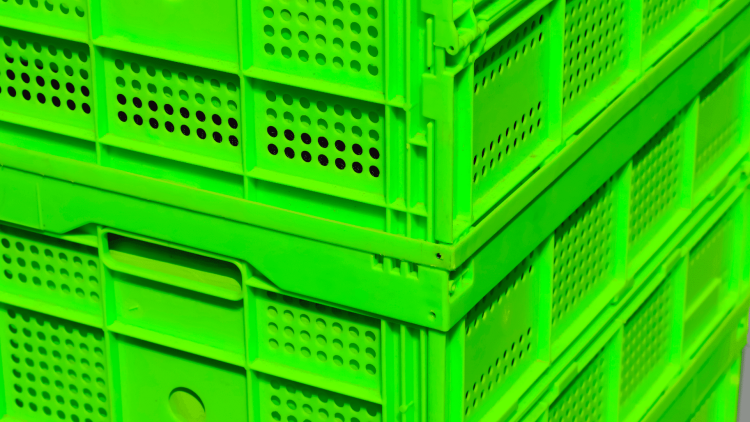
During handling and storage operations, boxes, containers and pallets are exposed to repeated mechanical impacts during loading, unloading, forklift and pallet truck operations, as well as stacking.
Therefore, durability is not simply about preventing breakage during the first use. It is about maintaining structural integrity and reliable performance throughout repeated operational cycles.
Can It Handle the Required Load?
Load capacity is an important criterion when selecting packaging. However, simply asking “How many kilograms can it carry?” is not enough.
Static load, dynamic load, racking load and load distribution should also be taken into consideration.
The right packaging solution should therefore be selected not only according to its load capacity, but also according to the operating conditions in which it will be used.
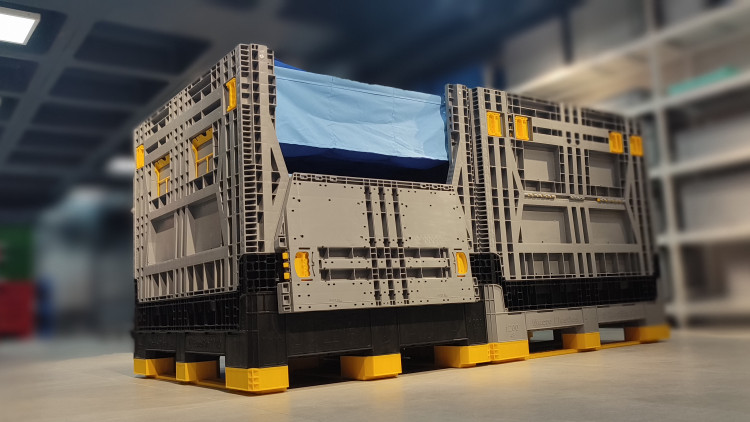
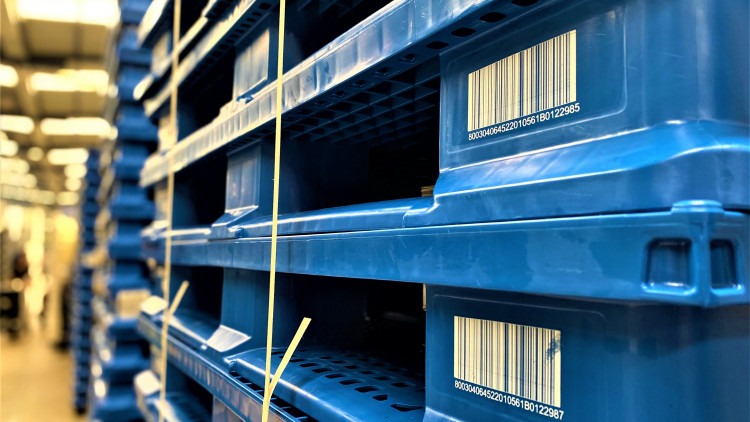
Benoplast offers a range of pallet and container solutions developed for different applications and operating requirements.
Can It Withstand Temperature Variations?
Packaging may be used in cold storage facilities, outdoor environments, production facilities or under different climatic conditions.
Since temperature variations can affect the performance of plastic materials, the operating temperature range is an important consideration when selecting the right packaging solution.
Particularly in agriculture, food and cold chain applications, the right material and the right product design play an important role in maintaining performance.
Is It Resistant to Chemicals?
Cleaning agents, detergents, oils and other chemicals may be a natural part of certain operational environments.
However, not every plastic material provides the same level of resistance to every chemical.
Chemical resistance can vary depending on the material type, chemical properties, temperature and duration of exposure.
Therefore, the key consideration is ensuring that the material properties of the packaging are compatible with the environment in which it will be used.
Can It Be Washed and Reused?
For reusable packaging, durability and cleanability cannot be considered separately.
Especially in food, agriculture and hygiene-sensitive applications, packaging needs to be suitable for washing processes to support continued use throughout multiple cycles.
The Packaging and Packaging Waste Regulation (PPWR) also places emphasis on reusable packaging being capable of being used multiple times, emptied, cleaned and refilled.
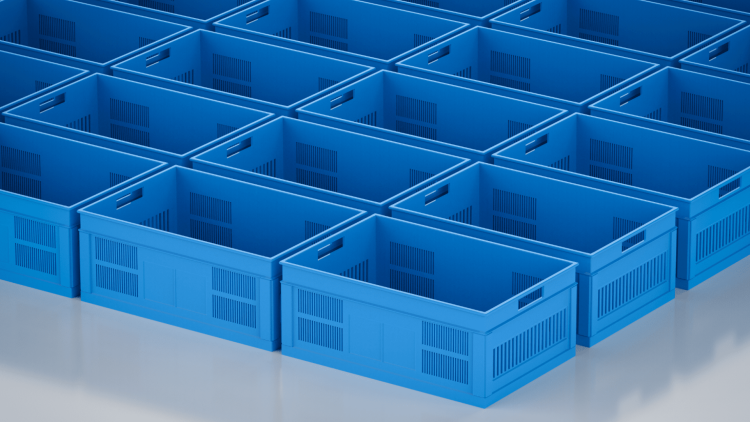
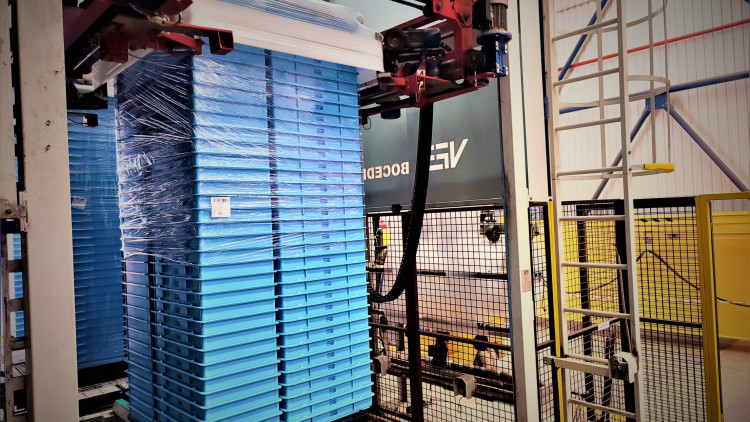
Benoplast’s DB Series automation boxes, for example, are designed to be suitable for cleaning in industrial washing systems and preparing them for reuse.
Benoplast’s hygienic pallet solutions also stand out with their suitability for cleaning in industrial washing systems and subsequent reuse.
Is It Resistant to UV Exposure?
If packaging is used outdoors or exposed to sunlight, UV resistance becomes another important consideration.
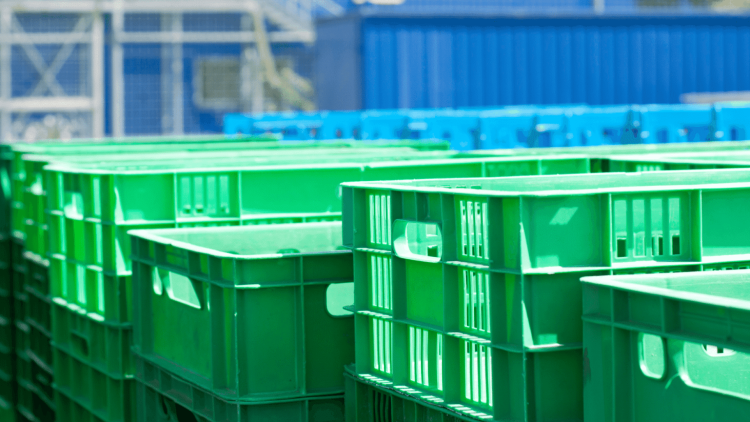
Prolonged exposure to UV radiation can affect the properties of plastic materials over time. Therefore, particularly in agricultural and outdoor applications, selecting materials suitable for UV exposure can contribute to maintaining product performance and service life.
Depending on the intended application and customer requirements, Benoplast products can be manufactured using raw material options with enhanced UV resistance. This can be particularly beneficial in agricultural applications where products are exposed to intense sunlight. The B-DUO Series is one of the product groups where this production option can be applied.
Is It Designed for Repeated Use?
The service life and performance of a reusable packaging product should be evaluated under normal operating conditions and in accordance with the specified instructions for use.
Overloading, improper handling or storage conditions, and use outside the intended application can affect both performance and service life.
Every cycle—including handling, stacking, unloading, washing and redistribution—represents another stage in the packaging’s lifecycle.
For this reason, durable packaging is not simply packaging that is strong. It is packaging designed to deliver reliable performance over an extended service life and across repeated use cycles.
Leading global reusable packaging manufacturers also highlight long service life and multiple use cycles as key benefits of their solutions.
Is It Compatible with Automation Systems?
In modern warehouses, packaging does more than transport products; it becomes an integral part of the automated handling system.
For packaging used with conveyors, shuttle systems and automated storage and retrieval systems (AS/RS), dimensional consistency, suitable base geometry and stable movement are essential.
Benoplast’s DB Series automation boxes are developed for these requirements, featuring a high-impact-resistant body and a double-base design suitable for automated handling systems.
VDA-KLT boxes are also designed for use in automated logistics and material handling applications.
In automotive logistics, durability, reusability and dimensional consistency are becoming increasingly important for reliable operation around automated production lines.
Durability Is About How All These Factors Work Together
There is no single characteristic that makes packaging truly durable.
Impact resistance, load-bearing capacity, suitability for different temperature conditions, chemical resistance, washability, UV resistance, repeated usability and compatibility with automation systems can all become important depending on the application.
Instead of trying to define “durable packaging” through a single characteristic, it is more useful to ask:
“For how long can this packaging deliver reliable performance under the conditions in which it will be used?”
Because a well-designed transport and storage packaging solution does more than protect the products inside.
It supports operational continuity, enables repeated use and continues to create value throughout its service life.
This is where the meaning of durability in packaging is evolving today: it is not only about being stronger, but about delivering reliable performance for longer and across more use cycles.
This approach also aligns with the Packaging and Packaging Waste Regulation (PPWR) and its focus on reuse and the lifecycle of packaging, which began to apply on 12 August 2026.
 Twitter